2026 Guide to Physical Verification of Fake degrees: Paper, Craftsmanship, Hot Stamping, and Success Rate Analysis
Introduction: Why is it crucial to focus on the “physical layer”?
In the age of digital verification, many people overlook the most basic truth: every genuine diploma is first and foremost a “physical entity.” While national databases (NSC, HEDD, My eQuals) are authoritative, a new problem arises in 2026—fake diploma companies are starting to use AI-generated “fake verification webpages” to facilitate counterfeiting. You check the “official website,” but that website is fake.
Therefore, returning to physical verification based on paper and craftsmanship is the “ultimate line of defense,” independent of the digital world and free from the manipulation of scammers. Moreover, all the tools are readily available: a phone flash, a touch sensor, and a magnifying glass (a phone camera will suffice).
I. Paper: The “Skeleton” of a Genuine Diploma
The selection of paper for genuine diplomas adheres to strict industry standards, with slight variations from country to country, but the common thread is: it is not ordinary printing paper.
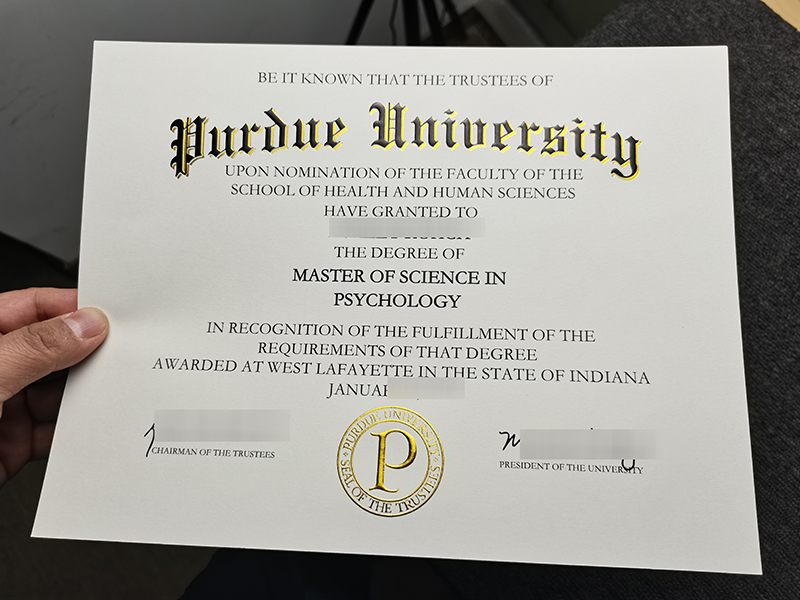
USA & Australia
Material: 100% cotton rag paper or vellum. Soft, thick, and slightly velvety to the touch, like a thin but sturdy fabric.
Light transmission test: Hold the paper up to a light source (a phone flash will suffice). A genuine diploma will show a clear watermark—usually the outline of the school emblem or the word “UNIVERSITY.” The watermark is embedded in the pulp during papermaking and is integrated with the paper.
Fake diplomas often use coated paper or high-gloss inkjet photographic paper. They feel smooth, reflective, and feel lightweight. When held up to the light, either there is no watermark, or the watermark is a later-printed “semi-transparent pattern”—sharp, unnatural edges, rather than the soft, gradual transition created during papermaking.
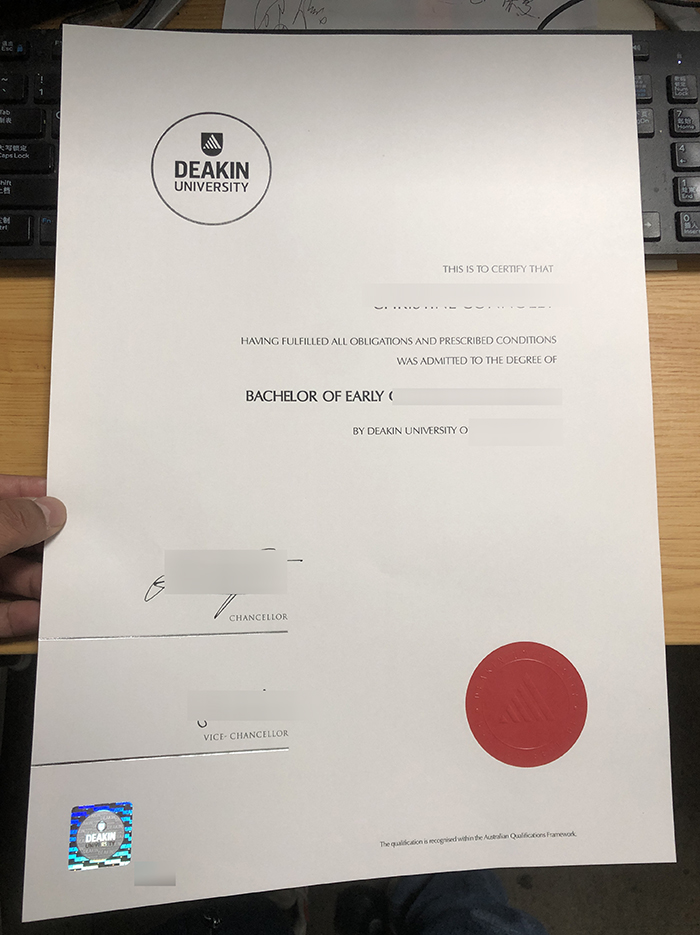
UK
Material: British universities (especially ancient institutions like Oxford and Cambridge) prefer heavy, sturdy cardstock because British diplomas are usually folded booklets and require sufficient stiffness.
Feel: Genuine diplomas are firm and crisp, making a “click” sound when folded. Counterfeit diplomas use ordinary cardstock, which is soft and weak.
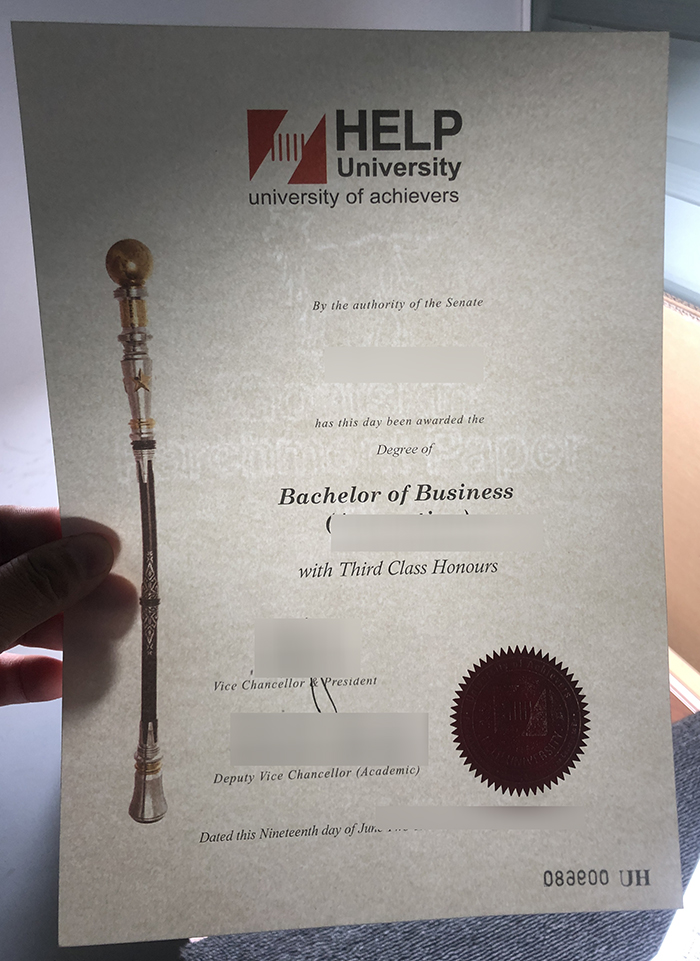
Malaysia: Malaysian public universities typically use stiff cardstock similar to that used in the UK, while private universities tend to use American-style cotton parchment. Commonality: Both papers feature the official guilloche pattern—extremely fine, continuous spiral lines visible to the naked eye but extremely difficult to copy.
[Contribution to Success Rate]: Touch and light transmission of the paper alone can eliminate 30%-40% of low-end counterfeits (those made with home printers and photographic paper).
II. Production Process: The “Hardcore Battlefield” of Anti-counterfeiting Technology Modern genuine diplomas incorporate multiple physical anti-counterfeiting technologies, each significantly raising the bar for forgery.
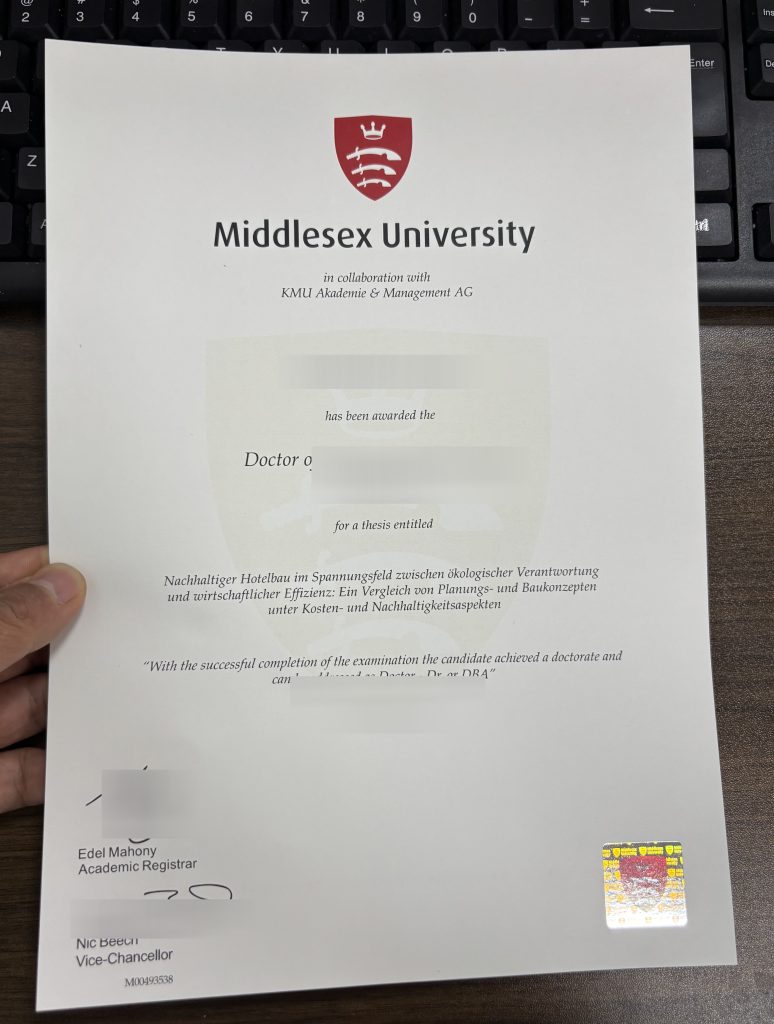
1. Micro-printing: Technical details: Extremely fine print (usually less than 0.5 mm) exists around the diploma’s border or the university emblem, almost invisible to the naked eye. When magnified 10 times with a mobile phone camera, the text on a genuine diploma is clear, sharp, and the strokes are continuous.
Fake Diploma Flaw: Ordinary inkjet printers cannot achieve the resolution of microprinting. Under magnification, the microprinted text on a fake diploma appears as a blurry gray noise or broken lines.
Success Rate: This single item can identify 50% of mid-range fake diplomas.
2. Rainbow Printing and Variable Data
Technical Details: The background of US diplomas often uses rainbow printing—the colors smoothly transition from blue to green without obvious dividing lines. In addition, some diplomas have a unique serial number (most common in the UK and Australia).
Fake Diploma Flaw: The gradient colors on fake diplomas often have abrupt “breaks” or color block boundaries; the serial number often has incorrect digits, consists entirely of repeated numbers, or the format does not conform to the official rules of the school.
3. Intaglio Printing—The Core Technical Defense
Technical Details: The school name and main text on a genuine diploma are usually printed using intaglio printing. This process makes the ink protrude from the paper surface; gently running a fingernail across the text will reveal a slight raised texture.
Fake ID Flaw: Fake IDs use digital inkjet or laser printing, resulting in a completely smooth text surface without the tactile feel of ink buildup.
III. Gold Foil & Embossing: A Quick Look to Distinguish Between Real and Fake Gold foil stamping is the easiest way to spot a fake diploma because genuine gold foil stamping involves complex metal molds and hot-pressing processes.
1. Gold Foil Stamping
Genuine Characteristics: American university logos and borders typically use hot foil stamping. Genuine gold foil stamping has a soft, matte finish; it has a noticeable slightly raised texture when touched, and when the paper is rotated under light, the gold displays subtle changes in luster.
Fake ID Flaw: Fake IDs are printed directly with gold ink, resulting in a glaring, bright, plastic-like shine with no metallic feel. It is completely smooth to the touch. Inferior counterfeit certificates will exhibit a “gold dust” effect—rubbing it with your finger leaves behind gold powder.
2. Embossed Seal—The Most Important Physical Defense
Genuine Features: Diplomas from all legitimate universities in the US, Australia, the UK, and Malaysia have an embossed seal or blind embroidery in the lower left corner or bottom center. This is created by pressing a metal mold into the paper using a heavy-duty embossing machine.
Verification Method (Free): Place your finger on the embossed area and run it from the back of the paper—genuine certificates have a distinct raised tactile outline (like the shape of a circular school badge), while the front has a corresponding indentation. When viewed against the light, the embossed indentation casts a clear shadow on the paper surface.
Fake ID Card Flaws: Fake ID cards either lack a steel stamp entirely (due to the high cost of embossing equipment), use flat hot stamping stickers (smooth to the touch, with cut marks on the edges), or use fake embossing “hand-drawn” with an embossing pen—the marks are shallow, the outlines are blurry, and there are no penetrating raised areas on the back.
【Contribution to Success Rate】: The steel stamp test can eliminate over 70% of fake ID cards by itself—because this is the most difficult physical process for counterfeiters to replicate.
IV. Latest Auxiliary Identification Techniques in 2026 (Completely Free)
1. Ultraviolet Fluorescent Fiber Test
Procedure: Shine a mobile phone flashlight directly onto the back of the ID card in a dark place (or use any ultraviolet light source).
Genuine: Cotton diploma paper from the US, UK, and Australia contains randomly distributed fluorescent anti-counterfeiting fibers (red, blue, and yellow), which appear as colored dots under light, with no regular distribution.
Fake ID Card: Ordinary paper (containing fluorescent whitening agents) shows a uniform blue-white fluorescence under ultraviolet light, but without random colored fiber dots. 1. **If you see “uniform glow across the entire screen,” it’s ordinary paper, not anti-counterfeiting paper.**
2. **Edge Microscopic Examination:** Zoom in on the edges of the diploma using your phone’s camera. Genuine diplomas have neat, industrially cut edges. Counterfeit diplomas, especially those that are “scanned and reprinted,” may have pixelated jagged edges (due to digital artifacts caused by magnifying the scanned document’s resolution).
3. **Spelling and Formatting Check:** Compare the Latin abbreviation of the degree name to the official website of the university. For example, a US Bachelor’s degree should be “Baccalaureus,” while counterfeit diplomas often write it as “Baccalaureaus” (adding an extra letter ‘a’). Latin name declensions on British diplomas are also common errors.
V. Comparison Table of Key Identification Points in Various Countries
Inspection Items 🇺🇸 USA 🇬🇧 UK 🇦🇺 Australia 🇲🇾 Malaysia
Paper Material Cotton parchment (soft) Hard cardstock (crisp) Cotton parchment Cardstock or cotton paper mixture
Core Processes Rainbow background + intaglio text Dark relief printing + metallic foil Similar to American style Similar to British style
Hot stamping Matte gold foil + embossed embossing Small amount of gold foil + heavy embossing Gold foil + embossing Gold foil or solid color embossing
Most Important Anti-counterfeiting Measures Embossing + fluorescent fiber Embossing + microtext My eQuals (digital) + embossing Embossing + MQA certification sticker
VI. Comprehensive Success Rate Analysis of Each Stage
Based on the industry chain level of the counterfeit document market in 2026, we provide the following layered success rate estimates:
Verification Level Tools Used Proportion of Counterfeit Documents Eliminated Applicable to:
First Layer: Visual Initial Inspection (Visual inspection + Tactile examination: Paper, foil stamping finish) 40% of low-end home printer fake documents
Second Layer: Embossing and Embossing Inspection (Finger touch + Side lighting observation) 70% of mid-range inkjet printer fake documents
Third Layer: Microtext + Fluorescent Fiber (Mobile phone camera (magnification) + Flash) 85% of mid-to-high-end scanned and reprinted fake documents
Fourth Layer: Serial Number Logic + Spelling Check (Compare with official website format) 92% of high-end fake documents (content errors)
Fifth Layer: Digital Verification (NSC/HEDD/My eQuals) (Online database) 98% of all types of fake documents
Key Conclusion: If you diligently perform the three physical inspections—embossing touch + microtext magnification + fluorescent fiber—your success rate has already reached 85%. If you combine this with the school’s free online verification (or email verification), the success rate can be increased to 98%.
The remaining 2% of “perfect fakes”—using real cotton paper, genuine embossed seals, and even blank diplomas from some now-closed universities—can only be broken by ordering official paper verification letters from the school. But that’s a paid service. For 99% of everyday verification scenarios, your fingers, eyes, and phone are powerful enough free verification tools.